The Expanding Role of Industrial Wastewater Treatment Chemicals in Environmental Protection
Industrial activities across the globe generate vast volumes of wastewater containing pollutants such as heavy metals, oils, organic matter, and suspended solids. Effective treatment of this wastewater has become essential to protect water bodies, maintain public health, and support sustainable industrial growth. Governments and environmental agencies are enforcing strict discharge standards, compelling industries to adopt advanced treatment solutions. At the same time, rising water scarcity and the growing need for water reuse are encouraging manufacturers to invest in chemical-based treatment processes that improve efficiency and reduce environmental impact.
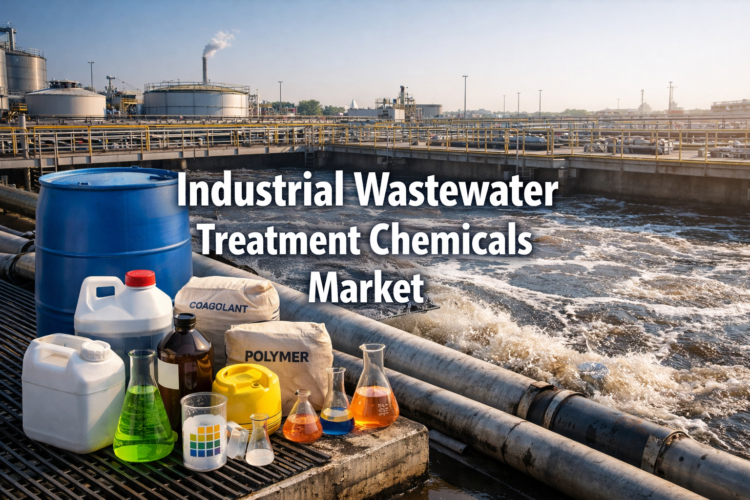
The Industrial Wastewater Treatment Chemicals Market is witnessing steady expansion as industries increasingly rely on specialized chemicals to meet regulatory requirements and optimize water management. These chemicals, including coagulants, flocculants, biocides, corrosion inhibitors, and pH control agents, play a crucial role in removing contaminants and enhancing treatment performance. The market size was valued at USD 16.14 billion in 2024 and is projected to reach USD 25.08 billion by 2032, growing at a CAGR of 5.66% during the forecast period 2025–2032, driven by rising industrial output and the need for sustainable wastewater solutions.
Growing industrialization in sectors such as power generation, chemicals, oil and gas, food and beverages, textiles, and pharmaceuticals is a key factor fueling market demand. These industries consume large quantities of water and generate complex wastewater streams that require efficient chemical treatment. As freshwater resources become increasingly limited, industries are focusing on wastewater recycling and zero liquid discharge practices, further boosting the use of advanced treatment chemicals to maintain operational efficiency and environmental compliance.
Technological advancements are also shaping market growth, with manufacturers developing high-performance and eco-friendly chemical formulations. Biodegradable flocculants, low-toxicity biocides, and advanced oxidation chemicals are gaining popularity as industries seek to minimize their environmental footprint. Automation and digital monitoring systems are improving chemical dosing accuracy, reducing operational costs, and enhancing treatment efficiency, making wastewater treatment processes more reliable and cost-effective.
Regionally, rapid industrial growth and stricter environmental norms in Asia-Pacific are creating strong demand for wastewater treatment chemicals, particularly in emerging economies. North America and Europe continue to maintain significant market shares due to well-established industrial infrastructure and stringent regulatory frameworks. Meanwhile, developing regions are witnessing rising investments in water treatment infrastructure to support industrial expansion and environmental sustainability.
Despite positive growth prospects, challenges such as high treatment costs, fluctuating raw material prices, and the need for skilled personnel remain. However, ongoing innovation, regulatory support, and increasing awareness of sustainable water management are expected to drive long-term market growth. As industries continue to prioritize efficient wastewater treatment and water reuse, the demand for specialized chemicals will remain strong, supporting the market’s steady expansion over the forecast period